And the angel of the Lord found [Hagar] by a fountain of water in the wilderness…and the angel of the Lord said unto her, I will multiply thy seed exceedingly, that it shall not be numbered for the multitude… the Lord hath heard thy affliction.
The story behind God Liveth And Seeth Me
Symbolism in God Liveth And Seeth Me
Copyright and terms of use
© By Elspeth Young, All Rights Reserved. You may not print, copy, or reproduce this artwork or make derivative works from it without the prior written consent of the copyright holder. For permissions, please review our FAQ page.From the Newsroom
By Al R. Young
only high-end custom frames
We have framed our own artworks for more than 30 years, and during that time we have provided a variety of framing services to patrons upon request. For many reasons—including constant changes in the availability of moulding styles—we cannot offer off-the-shelf framing options or response times typically associated with such a service. Of necessity, all of our framing projects are aproached, priced, and billed as constuling projects... Read more »
Tags: Into The West, Spring Rain, North Country, The Grey Havens, Journey's End, Looking Back, Enchanted Stillness, Bedtime Story, In The High Valley, The Daydream, Before The Ball, Old Shannon, Pavane, Sweet Brier, Legend, Mountain Home, And I...
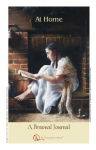
By Al R. Young This blank-book journal sells for $32 (plus shipping) direct from Al Young Studios. Printed in full color on heavy paper, the book is bound with black plastic spiral to rest flat when open.
At Home: A Personal Journal features 128 original artworks consisting of 51 original oil paintings from the Artists of Al Young Studios, 44 images from the Studios' Limited Editions Collection, nine pen and ink drawings and block prints by Ashton, seven of Al's exquisitely crafted pencil drawings, and one lithograph from his private portfolios... Read more »
Tags: North Shore, Nasturtium, Wald Kirche, Scabiosa, Foxglove, Narcissus on beige paper, July, Columbine, Maine, Final Draft, Unfurling, Back Shore, Summer's End, Gifts of Morn, Black-eyed Susan, Land's End, Solitude, The Limberlost, Perdita,

By Al R. Young The February 2014 issue of the Ensign Magazine, published by The Church of Jesus Christ of Latter-day Saints, featured God Liveth And Seeth Me by Elspeth Young in an article entitled "Abrahamic Covenant." Elspeth's original oil painting is part of Al Young Studios' Women of the Bible Fine Art Collection.... Read more »
Tags: God Liveth And Seeth Me, 3rd-party Publications, 2014, News

By Al R. Young The February 2014 issue of the Ensign Magazine, published by The Church of Jesus Christ of Latter-day Saints, featured God Liveth And Seeth Me by Elspeth Young in an article entitled "Abrahamic Covenant." Elspeth's original oil painting is part of Al Young Studios' Women of the Bible Fine Art Collection.... Read more »
Tags: God Liveth And Seeth Me, 3rd-party Publications, 2014, News
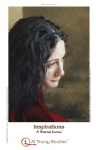
By Al R. Young This blank-book journal sells for $32 (plus shipping) direct from Al Young Studios. Printed in full color on heavy paper, the book is bound with black plastic spiral to rest flat when open.
Inspirations features 163 artworks along with 53 commentaries—written by the Artists of Al Young Studios especially for this journal—on such topics as their creative process, the creative environment of the Studios, technical approaches to their artwork, and inspiration from the works of other artists... Read more »
Tags: Untitled, In the Clearing, Anne Girl, Spring Rain, Journey's End, Enchanted Stillness, Bedtime Story, In The High Valley, Mountain Home, And I Will Not Deny The Christ, Sara Crewe, And My Soul Hungered, 3.00.0246.010, The Road To Melek, We...
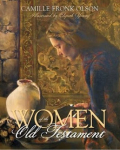
By Al R. Young Women of the Old Testament by Camille Fronk Olson is the companion volume to Women of the New Testament, published by Deseret Book in 2014.
The Old Testament volume features fifty six illustrations from the Artists of Al Young Studios, listed here under the Studios' fine art collections and portfolios to which they belong.
From the Women of the Bible Fine Art CollectionFull-color details (cropped images) from the following 17 paintings appeared in the book (in the order in which they appear here)... Read more »
Tags: The Mother Of All Living, The Joy Of Our Redemption, The Protector, Blessed, By The River's Brink, What Is To Be Done For Thee, Charity Never Faileth, A Lamp Unto My Feet, Is Anything Too Hard For The Lord, God Liveth And Seeth Me, Treasure...
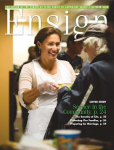
By Al R. Young God Liveth And Seeth Me, by Elspeth Young, was featured as the inside front cover of the October 2008 issue of the Ensign Magazine, published by The Church of Jesus Christ of Latter-day Saints. The painting is part of Al Young Studios' Women of the Bible Fine Art Collection.... Read more »
Tags: God Liveth And Seeth Me, 3rd-party Publications, 2008, News
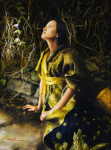
By Al R. Young
High-resolution digital copies are available from the Studios for use as illustrations. Use the serial number—appearing below the thumbnail—in requesting permission from the Studios (see links at the bottom of this page for detail).
The correct form of attribution when publishing an image is specified in the license agreement issued to the publisher by Al Young Studios.Guidelines for requests to copy or publish artworks created by the Artists of Al Young Studios
Guidelines for commissioning Al Young Studios to create illustrations
Return to this portfolio
Browse all portfolios
Browse Newsroom articles about Illustration
The original image is available for sale, please contact us for details... Read more »
Tags: God Liveth And Seeth Me, 2006, People and Stories of the Bible
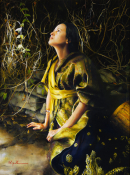
By Al R. Young God Liveth And Seeth Me is the newest oil painting to be added to the line of original artworks from Al Young Studios.
Click here to see a larger image of the new painting, read the artist's commentary, and look at the selection of prints--if any are available.... Read more »
Tags: God Liveth And Seeth Me, 2006, Elspeth C. Young, Legacy, News, Oil paintings and prints, Women of the Bible Art Collection